
Are you struggling to choose the right tool for your translation and localization needs? When it comes to making your content reach a wider audience, picking the best platform can make all the difference.
Two popular options you might be considering are Multilipi and Transifex. But which one truly fits your workflow and goals? You’ll discover a clear comparison between Multilipi and Transifex, helping you see which tool saves you time, improves your SEO, and boosts your global reach. If you want a powerful yet simple solution, check out MultiLipi—a platform designed to make translation easier and faster. Keep reading to find out why your next localization project might just depend on this choice.
Introduction To Multilipi And Transifex
Localization tools shape how businesses reach global audiences. Multilipi and Transifex serve this purpose but in distinct ways. Understanding each platform helps choose the right fit for your localization needs.
Overview Of Multilipi And Its Purpose In Localization
Multilipi is a tool designed to simplify content translation. It focuses on SEO-friendly multilingual content for websites and blogs. Users can translate posts into many languages quickly.
This tool aims to boost online visibility by creating multilingual SEO content. It targets website owners who want to grow traffic internationally without complex software.
- Supports multiple languages for blog and web content
- Generates SEO-optimized translations automatically
- Easy-to-use interface for quick content localization
- Focus on increasing organic reach through multilingual content
Introduction To Transifex And Its Role In Globalization
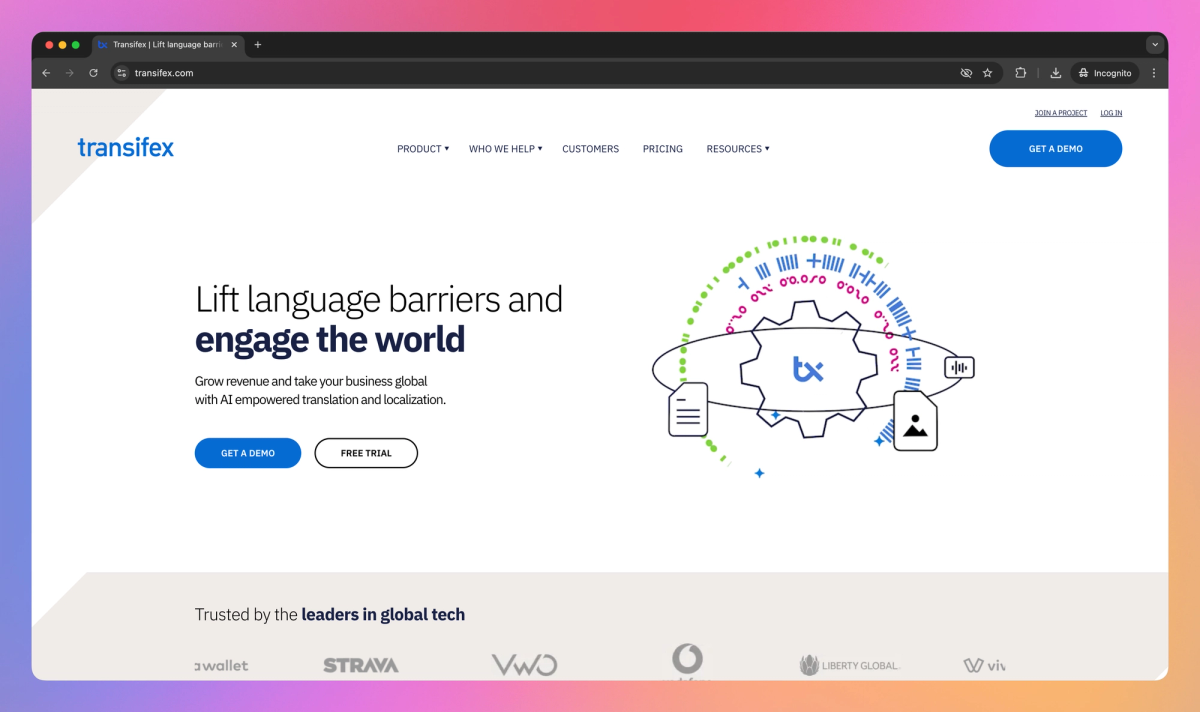
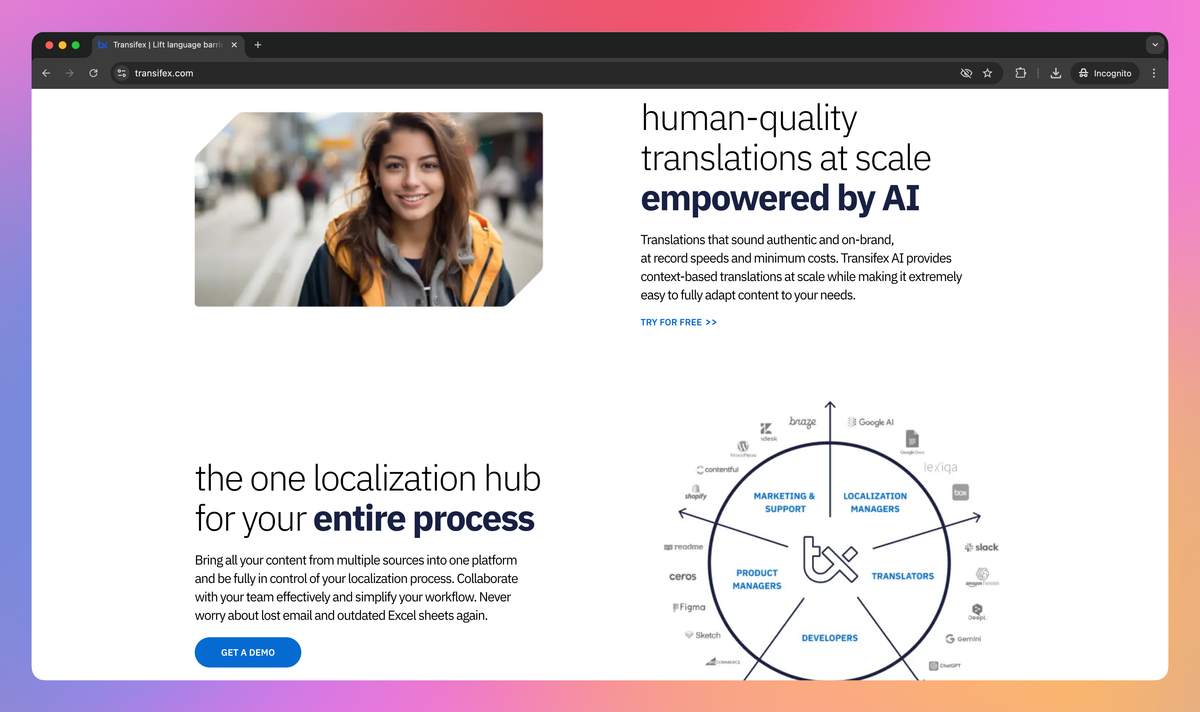
Transifex is a cloud-based localization platform. It helps teams manage translation projects for software, apps, and websites. Transifex supports continuous localization workflows.
The platform suits developers and product teams wanting to maintain consistent global content. It integrates with code repositories and automates translation updates.
- Manages translations for software and digital products
- Supports collaboration among translators and developers
- Offers API and integration with development tools
- Focuses on scaling localization for global products
Why Comparing Multilipi And Transifex Matters For Localization Success
Choosing the right tool affects how smoothly localization runs. Multilipi targets content creators focused on SEO and blogs. Transifex serves product teams handling software and apps.
Each tool fits different user needs and project scopes. Comparing features, ease of use, and integration options helps match the tool with your goals.
| Aspect | Multilipi | Transifex |
|---|---|---|
| Main Use | SEO-friendly content translation for websites/blogs | Software and app localization project management |
| Target Users | Content creators, bloggers, marketers | Developers, product managers, localization teams |
| Key Features | Automatic SEO optimization, easy content translation | Collaborative workflows, API integration, continuous localization |
| Integration | Standalone tool focused on content SEO | Integrates with development tools and code repositories |
| Best For | Boosting website traffic with multilingual SEO content | Managing complex translation projects for software products |
Key Features Of Multilipi
Multilipi offers a robust set of features designed to simplify and accelerate the localization process. Its tools help teams work faster, communicate better, and manage translations with ease. These features make Multilipi a strong choice for businesses aiming for smooth multilingual content management.
Automated Translation Workflow: Streamlining Localization Processes
Multilipi automates many steps in the translation process. It reduces manual tasks and saves time for translators and project managers. The workflow includes:
- Automatic text extraction from source files
- Seamless handoff to translators
- Automatic integration of translated content back into projects
This automation ensures fewer errors and faster project completion.
Integration Capabilities: Connecting With Popular Development Tools
Multilipi connects easily with popular development and content tools. This allows teams to keep using their preferred platforms without interruption. Supported integrations include:
- Version control systems like GitHub and GitLab
- Content management systems (CMS)
- Project management tools
These connections keep localization in sync with development and publishing workflows.
Support For Multiple File Formats: Enhancing Flexibility For Diverse Projects
Multilipi supports a wide range of file formats. This flexibility fits many project types, such as websites, apps, and documents. Supported formats include:
| File Type | Common Use |
|---|---|
| JSON | Web and app data |
| XML | Structured data files |
| PO / POT | Software localization |
| CSV | Spreadsheet data |
| DOCX | Documents |
This wide support allows teams to use Multilipi for many projects without file conversion issues.
Collaboration Tools: Facilitating Team Communication And Efficiency
Multilipi offers tools that improve teamwork during translation projects. Clear communication and task tracking are built in. Features include:
- Real-time chat for instant discussion
- Task assignment and progress tracking
- Commenting on specific text segments
These tools help translators, reviewers, and managers stay aligned and complete projects faster.
Key Features Of Transifex
Transifex offers powerful tools designed to simplify and speed up the translation process. It supports teams managing multiple languages and projects at the same time. The platform focuses on efficiency, flexibility, and quality to help businesses reach global audiences smoothly.
Cloud-based Platform: Enabling Real-time Translation Management
Transifex is a cloud-based platform, which means all translation work happens online. Teams can collaborate from anywhere in the world. Changes appear instantly, so everyone stays updated in real time. This feature reduces delays and confusion during the translation process.
The platform supports:
- Simultaneous editing by multiple translators
- Automatic syncing with source content
- Access from any device with internet
Robust Api And Sdk Support: Customizing Localization Workflows
Transifex provides a robust API and SDK to connect translation tasks with existing tools. Developers can automate processes and customize workflows. This flexibility saves time and reduces manual work.
Common uses include:
- Integrating with content management systems (CMS)
- Automating content updates and translation requests
- Embedding translation progress into dashboards
Comprehensive Language Support: Catering To Global Audiences
Transifex supports hundreds of languages, covering most global markets. This feature allows businesses to localize content for diverse audiences easily. It supports right-to-left languages, complex scripts, and regional dialects.
| Language Type | Examples |
|---|---|
| Right-to-Left | Arabic, Hebrew, Persian |
| Complex Scripts | Chinese, Japanese, Korean |
| Regional Variants | Spanish (Spain, Latin America), English (UK, US) |
Quality Assurance Tools: Ensuring Consistency And Accuracy
Transifex includes quality assurance tools to maintain high translation standards. These tools catch errors early, improve consistency, and reduce rework. They support both manual reviews and automated checks.
Key features include:
- Terminology management for consistent word use
- Translation memory to reuse previous work
- Automated error detection for missing or inconsistent translations
- Reviewer feedback system to improve quality over time
Pricing And Affordability Comparison
Choosing the right localization platform depends heavily on pricing and affordability. Both MultiLipi and Transifex offer various plans suited for different needs. Understanding their pricing models helps businesses select the best fit for their budget and goals.
Multilipi Pricing Structure: Plans And Cost-effectiveness
MultiLipi offers a straightforward pricing structure with affordable plans. It targets small to medium businesses that need easy-to-use SEO localization tools.
| Plan | Price | Key Features |
|---|---|---|
| Basic | $19/month | Supports up to 3 projects, limited languages, basic SEO tools |
| Pro | $49/month | Unlimited projects, advanced keyword suggestions, multi-language support |
| Enterprise | Custom Pricing | Dedicated support, API access, custom integrations |
MultiLipi is cost-effective for businesses focused on SEO and basic localization. Its plans provide good value without overwhelming budgets.
Transifex Pricing Models: Subscription Tiers And Value For Money
Transifex uses a tiered subscription model geared towards developers and large teams. Pricing varies by number of users, projects, and translation volume.
- Starter: $70/month, supports 1 project, limited languages
- Premium: $200/month, multiple projects, advanced workflow tools
- Enterprise: Custom pricing, unlimited projects, dedicated support
Transifex offers extensive features but at a higher price point. It suits companies needing complex translation management and collaboration tools.
Which Platform Offers Better Roi For Different Business Sizes
Small businesses benefit more from MultiLipi due to lower costs and SEO focus. It fits budgets without sacrificing essential localization features.
Mid-sized and large companies may find Transifex valuable for managing many languages and users. Its advanced tools improve team collaboration and workflow.
| Business Size | Recommended Platform | Reason |
|---|---|---|
| Small | MultiLipi | Affordable, SEO-centric, simple setup |
| Medium | MultiLipi or Transifex | Depends on complexity; MultiLipi for SEO, Transifex for workflow |
| Large | Transifex | Scalable, supports many users and projects |
ROI depends on business goals. MultiLipi saves money for SEO-driven small firms. Transifex adds value with features for extensive localization needs.
Pros And Cons Based On Real-world Usage
Understanding the strengths and weaknesses of MultiLipi and Transifex helps users pick the right tool. Real-world feedback reveals how these platforms perform under everyday conditions. This section covers key benefits and challenges from actual users.
Strengths Of Multilipi: User Experience And Performance Highlights
MultiLipi offers a simple and clean interface, making it easy for beginners. Users report quick setup and smooth navigation.
- Fast translation process: Translations happen quickly without delays.
- Good SEO integration: Supports SEO-friendly content, helping websites rank better.
- Lightweight platform: Runs smoothly even on low-end devices.
- Affordable pricing: Suitable for small teams and startups.
The focus on user experience makes MultiLipi accessible to non-technical users. Performance remains stable with moderate workloads.
Limitations Of Multilipi: Areas For Improvement
MultiLipi lacks some advanced features found in bigger platforms. Users face challenges with:
- Limited language options: Not all languages supported yet.
- No advanced collaboration tools: Difficult to manage large teams.
- Basic reporting features: Analytics are minimal and less detailed.
- Integration limitations: Few third-party app connections available.
These gaps may slow down larger projects or complex workflows.
Advantages Of Transifex: Scalability And Feature Set
Transifex excels at handling large-scale projects with many languages and users. It offers:
- Wide language support: Covers hundreds of languages.
- Strong collaboration tools: Team members can work simultaneously.
- Robust integration: Connects with many developer and marketing tools.
- Detailed analytics: Provides insights for project management.
This makes Transifex suitable for enterprises and complex translation needs.
Drawbacks Of Transifex: Common User Challenges
Users mention some difficulties with Transifex, including:
- Steep learning curve: Interface can feel complex for new users.
- Higher cost: Pricing might be too high for small teams.
- Performance lag: Large projects sometimes slow the platform.
- Occasional bugs: Some users report glitches during collaboration.
These challenges affect user experience and may require technical support.
Credit: multilipi.com
Recommendations For Ideal Users And Use Cases
Choosing the right localization tool depends on your project type and team needs. Both MultiLipi and Transifex offer unique strengths suited for different users and scenarios. Understanding these can help you pick the best fit for your language and SEO goals.
When To Choose Multilipi: Best Scenarios And User Profiles
MultiLipi works well for small to medium teams focused on SEO-friendly content translation. It suits users who want easy-to-use interfaces and quick integration with SEO tools.
- Freelancers and small businesses managing SEO content
- Teams needing fast, accurate translations with SEO optimization
- Projects with limited budgets but high focus on search rankings
- Users preferring a simple, user-friendly platform without steep learning curves
MultiLipi’s SEO niche makes it ideal for marketers and content creators. It helps maintain keyword integrity and improves content visibility in multiple languages.
Optimal Use Cases For Transifex: Industries And Project Types
Transifex fits larger organizations with complex localization needs. It supports multiple file formats and scales well for continuous content updates.
| Industry | Project Type | Why Transifex |
|---|---|---|
| Software & Technology | App and software interface localization | Strong integration with development workflows and APIs |
| E-commerce | Product description translation | Supports bulk content and frequent updates |
| Media & Publishing | Large-scale content translation | Manages multiple contributors and languages effectively |
Decision-making Tips: Aligning Your Localization Needs With The Right Tool
- Assess Team Size and Skills: MultiLipi suits small teams; Transifex fits larger, technical teams.
- Define Content Type: Use MultiLipi for SEO content, Transifex for software or large media projects.
- Consider Budget: MultiLipi offers cost-effective SEO-focused options; Transifex is better for complex needs.
- Check Integration Needs: Choose Transifex for strong developer tool integration; MultiLipi for SEO tools.
- Evaluate Update Frequency: Transifex handles continuous updates smoothly; MultiLipi is ideal for steady SEO content.
Match your project’s scale and goals with the tool’s core strengths to get the best results.
Conclusion: Making The Right Choice For Localization Success
Selecting the best localization platform shapes your global reach and user experience. Both MultiLipi and Transifex serve localization needs but differ in features, ease of use, and pricing. Understanding these differences helps in choosing the right tool for your project size and goals.
Summary Of Key Differences Between Multilipi And Transifex
| Feature | MultiLipi | Transifex |
|---|---|---|
| Target Users | SEO professionals, small to medium businesses | Large enterprises and developer teams |
| Ease of Use | Simple interface, beginner-friendly | Complex, suited for technical users |
| Pricing | Affordable, transparent plans | Higher cost, enterprise-level pricing |
| Integration | Basic integrations for SEO tools | Wide range of integrations, API support |
| Features | Focus on SEO localization and content optimization | Advanced translation management and workflow automation |
Final Thoughts On Selecting The Best Localization Platform
Choose MultiLipi for SEO-centered localization and ease of use.
Pick Transifex for complex projects requiring automation and broad integrations.
Consider project size, budget, and team skills before deciding.
- Small projects benefit from MultiLipi’s simplicity.
- Large teams gain from Transifex’s advanced tools.
- Budget constraints favor MultiLipi’s affordable plans.
Future Trends In Localization Tools To Watch
AI-powered translation will improve speed and quality.
More platforms will offer real-time collaboration features.
Integration with marketing and SEO tools will grow stronger.
Cloud-based solutions will dominate for flexibility and access.
- Smarter machine learning to reduce manual work
- Enhanced user interfaces for non-technical users
- Greater focus on cultural adaptation, not just language
Credit: aitools.inc
Credit: aitools.inc
Frequently Asked Questions
What Are The Main Differences Between Multilipi And Transifex?
Multilipi focuses on Indian language support, while Transifex offers global localization tools. Multilipi is more niche, Transifex is scalable for enterprise projects. Each suits different translation needs based on language and project size.
Which Platform Is Better For Indian Language Localization?
Multilipi excels in Indian language support with specialized fonts and input methods. Transifex supports Indian languages but with a broader global focus. For precise Indian localization, Multilipi is often preferred.
How Do Multilipi And Transifex Handle Collaboration?
Transifex offers advanced collaboration with project management and team workflows. Multilipi has basic collaboration features but is less comprehensive. For large teams, Transifex provides better coordination tools.
Are Both Tools Suitable For Software Localization?
Yes, both Multilipi and Transifex support software localization. Transifex is widely used for software and app translations. Multilipi is ideal for Indian language software projects needing specialized support.
Conclusion
Choosing between MultiLipi and Transifex depends on your needs. MultiLipi offers easy SEO-friendly language support. It helps with quick translations and simple editing. Transifex suits larger projects with complex workflows. For straightforward SEO tasks, MultiLipi is user-friendly and effective. Try MultiLipi to see if it fits your work. Explore it here: MultiLipi. Your choice should match your project size and goals. Both tools have strengths; pick what works best for you.